1. Dispersion effect
The particles attract each other to form a flocculation structure after the cement is stirred with water. This flocculation structure will wrap 10%-30% of water between cement particles, so these water molecules cannot flow freely and play a lubricating role. The flocculation phenomenon of cement will affect the fluidity of cement paste. Polycarboxylate molecules will adsorb on the surface of cement particles to make the surface of cement particles negatively charged, thereby forming an electrostatic repulsion effect, promoting the mutual dispersion of cement particles to destroy the flocculation structure, and releasing the wrapped water molecules to participate in the flow. This is why polycarboxylate water-reducer molecules have a water-reducing effect. It can be understood that polycarboxylate water reducer molecules increase the utilization rate of water molecules and do not increase or decrease the water molecular weight for no reason. At the same time, COO2- and Ca2+ ions form a complex to reduce the calcium ion concentration in the cement paste, delay the formation of Ca(OH)2 crystals, reduce the formation of C-S-H gel and thus delay the cement hydration process. Therefore, polycarboxylate molecules also have a specific retarding effect. The difficulty in developing early-strength polycarboxylic acid mother liquor may be related to its inherent slow-setting effect. Most early-strength admixtures on the market rely on compounding to add sodium nitrite and triethanolamine to achieve the purpose.
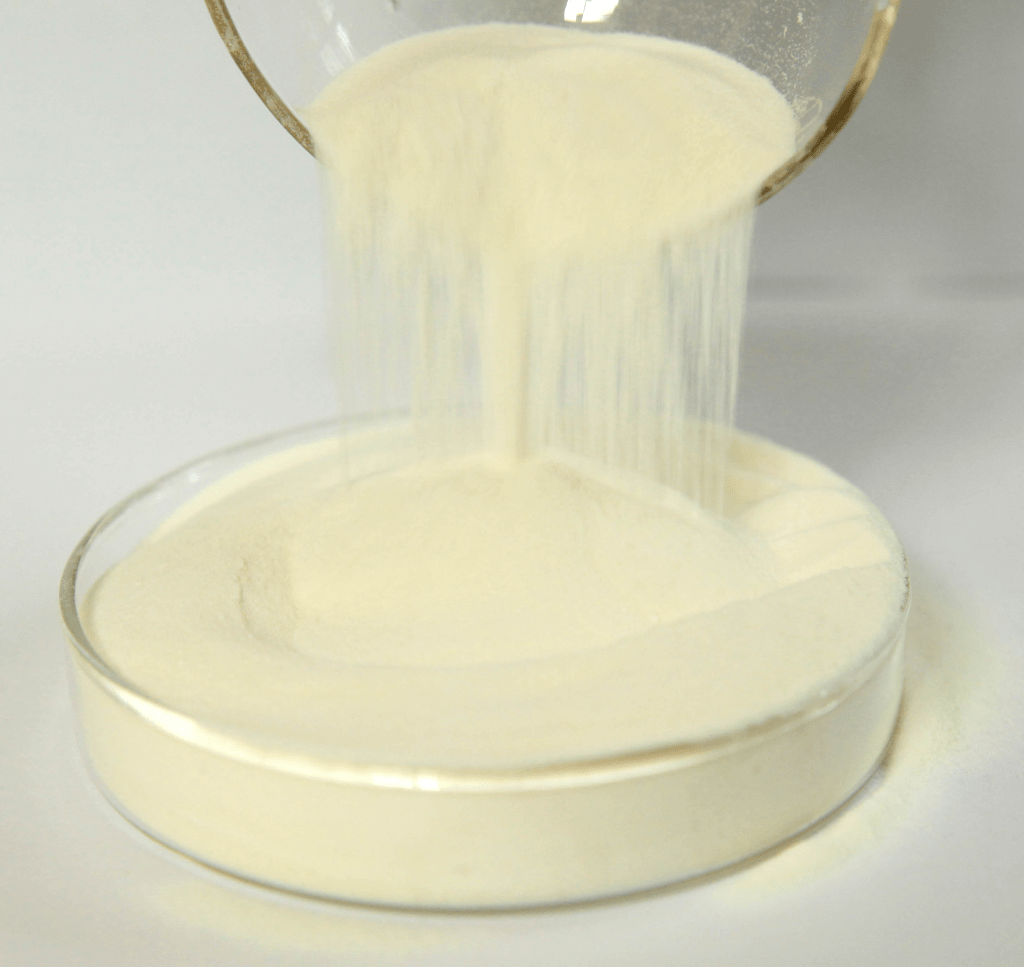
2. Lubricating effect
The side chains of polycarboxylate water-reducing agent molecules have hydroxyl groups and ethers (-C-O-C-C) and are hydrophilic. These groups combine with water molecules through hydrogen bonds to form a water film on the surface of cement particles. This water film has an excellent lubricating effect, which can effectively reduce the resistance between cement particles and increase the fluidity of concrete.
3. Steric hindrance
The side chains in the structure of polycarboxylate water-reducing agent have a spatial structure at the microscopic level, akin to the protective ‘little fat man’ in the cartoon above. This ‘little fat man’ uses his curly hair to prevent the ‘big fat’ cement particles behind him from touching, thereby enhancing the collapse protection effect of concrete.
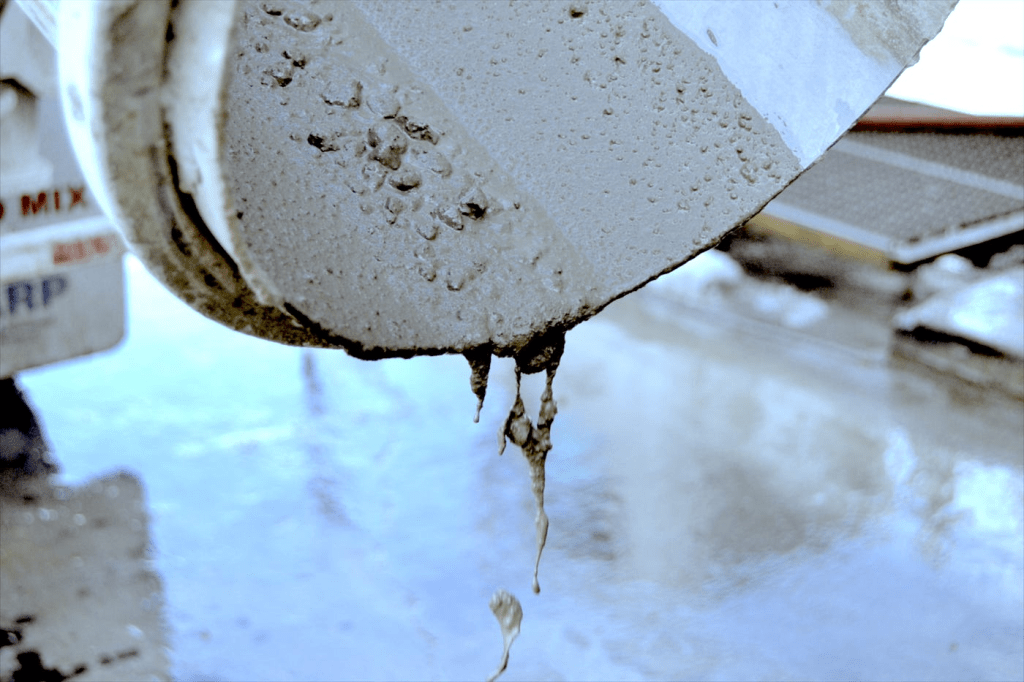
The particle size of cement particles is at the micrometer level, and the polycarboxylate molecule is at the nanometer level, which is about 3 orders of magnitude different. One cement particle can absorb several polycarboxylate molecules. The comb-like thing in the picture above is a schematic diagram of a polycarboxylate molecule. In the beginning, the fat man in the cartoon picture, who represents the polycarboxylate molecule, had a tragic ending. The muscular man couldn’t get rid of the fat man and died of his last roar. The adsorption of cement particles by polycarboxylic acid slows down the hydration process, but as the cement hydrates, the polycarboxylic acid molecules will eventually be wrapped by the hydration products and die, losing the function of polycarboxylic acid. In general, the adsorption of polycarboxylic acid molecules does not change the properties of cement but only changes the rheological process of concrete and has no effect on the later strength of concrete.


Leave a Reply