Compared with naphthalene-based water reducers, polycarboxylate water reducers are relatively sensitive to cement and sand materials, but their workability can be improved by adding small materials. In the following sections, I will present some practical water retaining agents and methods to increase workability. Each material has an upper limit for enhancing the workability of concrete. Beyond this limit, there are either side effects or high costs, which I will also discuss.
Cellulose ether: This is the first recommendation. The advantage is that the dosage is low, and the price is appropriate. The overall cost is low, and the effect is also significant. The general dosage is less than 0.05%. According to the chemical structure of the substituent, it can be divided into anionic, cationic, and non-ionic ethers. Depending on the etherifying agent used, there are methyl cellulose, hydroxyethyl methyl cellulose, carboxymethyl cellulose, ethyl cellulose, benzyl cellulose, hydroxyethyl cellulose, hydroxypropyl methylcellulose, cyanoethyl cellulose, benzyl cyanoethyl cellulose, carboxymethyl hydroxyethyl cellulose, and phenyl cellulose. According to the viscosity of cellulose, it can be divided into 50,000, 100,000, 200,000, 1 million, etc. According to solubility, it can be divided into quick-soluble, soluble in water, and insoluble in water. Each classification will lead to slight differences in performance. Cellulose has an immediate effect on improving the water retention and workability of concrete. Solid packaging production and use are also very convenient. However, as the amount of cellulose gradually increases, the collapse retention effect of concrete will be significantly affected. It also hurts the compression and flexural resistance of concrete for 28 days, and the anti-permeability of concrete will be improved.
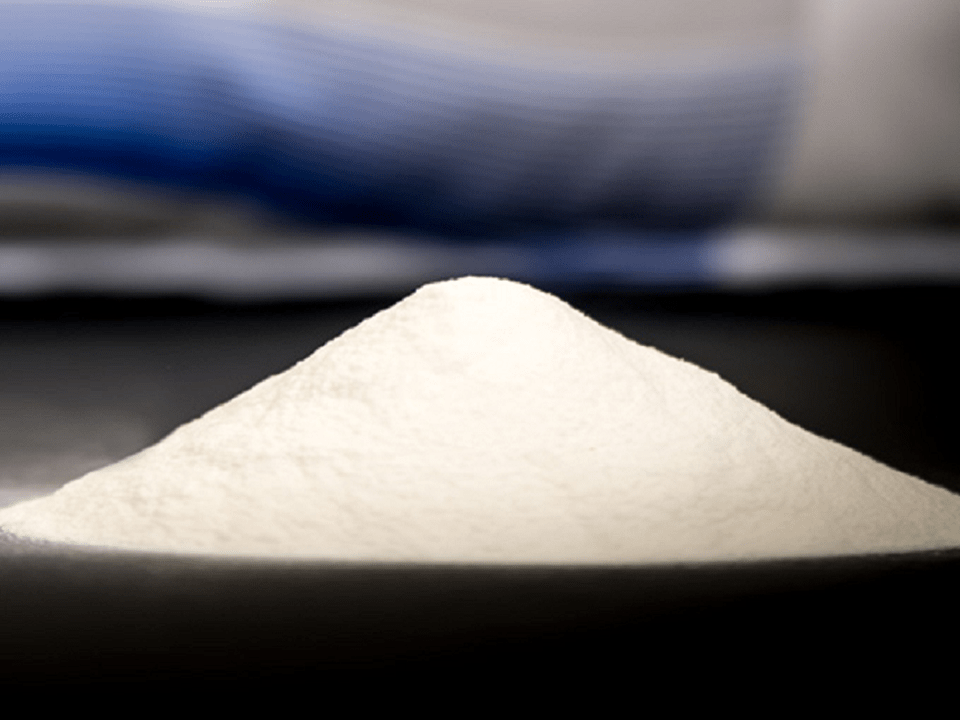
Polyacrylamide: Polyacrylamide can be divided into cationic and anionic types, with the cationic type being slightly more expensive but still a cost-effective option. According to the molecular weight, it can be divided into various types. The outstanding advantage of polyacrylamide is the flocculation effect, which ensures that the concrete will not disperse even underwater. While it may have some side effects, such as prolonging the setting time of concrete, reducing the flexural and compressive strength, and stratification after a long-standing time, its benefits, including its effectiveness in underwater applications and its cost, make it a valuable choice.
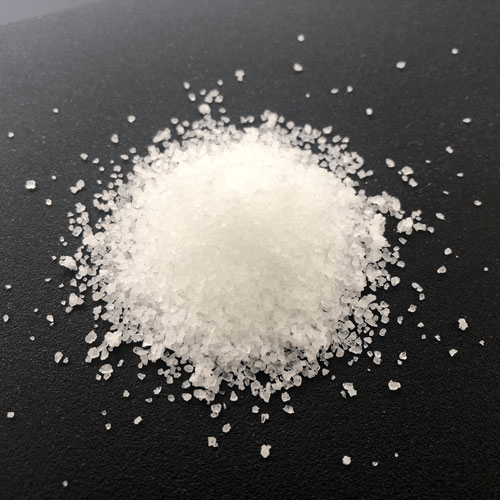
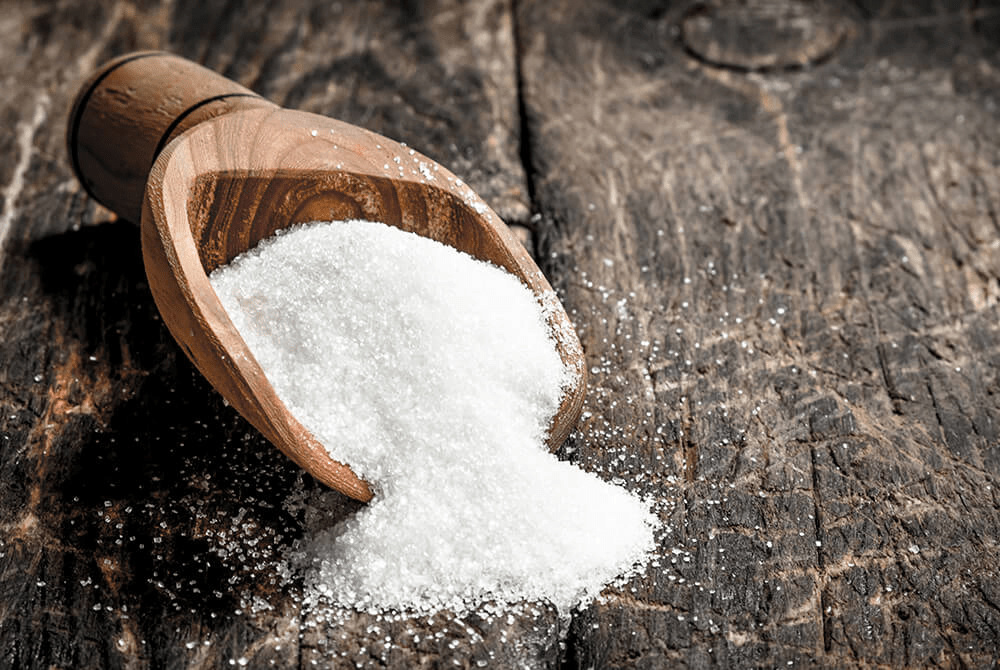
Retarder: maltodextrin and white sugar. Sodium gluconate is an excellent retarder. Its advantage is that it can provide a specific water reduction effect in addition to improving the retarding effect. It is helpful to reduce the amount of water reducer. The disadvantage is that as the amount of sodium gluconate increases, the workability of concrete will decrease. If you don’t want to add an extra water-retaining agent, you can try replacing some sodium gluconate with maltodextrin or white sugar. The disadvantage of maltodextrin is that adding too much will affect concrete loss. According to the literature, maltodextrin is made from corn, and only starch is hydrolyzed by specific enzymes, leaving cellulose and protein. So, maltodextrin is a mixture of sodium gluconate and cellulose. White sugar can also help improve the workability of concrete compared to sodium gluconate and make the slurry more viscous. The disadvantage is that it is more expensive than sodium gluconate and impacts the setting time more. It cannot be used in winter; otherwise, it dramatically extends the concrete’s setting time.
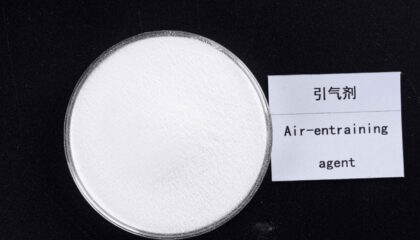
Air entraining agent: It can also effectively improve the workability of concrete. The principle is to generate tiny bubbles to fill the concrete slurry and block the capillary channels to prevent the free water in the slurry from precipitating, thereby improving workability. It is almost standard for commercial concrete to contain air-entraining agent components. As long as the air content of concrete is controlled within 5%, the collapse resistance, workability, and permeability of concrete can be improved. If there are many large bubbles on the concrete surface, you can use it with a defoamer. Giant bubbles are more easily broken than microscopic bubbles. A reasonable ratio of air-entraining agent to defoamer can eliminate only large bubbles and leave microscopic bubbles beneficial to concrete.
Finally, I thought of a material has the most significant improvement in the workability of concrete which is the mud contained in the sand. If the mud content reaches more than 4%, the concrete can be guaranteed to be in a good state. Stone powder can also increase the workability of concrete, but this cannot be compounded in admixtures. With the rise of machine-made sand, stone powder should be able to enter the vision of more mixing stations in the future.
This article mainly introduces various raw materials that can improve the workability of concrete. The added proportions, effects, price costs, and side effects differ. My priority is 1. Air entraining agent 2. Maltodextrin, white sugar 3. Cellulose. The three can be used in combination. If the problem still cannot be solved, you have to adjust the mix ratio of the concrete.

 concrete admixture
Leave a comment