In recent years, polycarboxylic acid mother solution synthesis technology has increasingly matured through several iterations. It has evolved from the high-temperature esterification process of pure water to the normal-temperature tap water method. Dramatically lowers the synthesis threshold of polycarboxylic acid admixtures. Most mother solutions on the market have similar properties, providing an everyday communication basis for compounding technology. At present, the raw materials for compound polycarboxylic acid admixtures can be roughly divided into the following categories: polycarboxylic acid mother solution, retarder, defoaming agent, air-entraining agent, water-retaining agent, antifreeze agent, and early strength agent. The types of various raw materials are complex and diverse. I focus on introducing the more commonly used types convenient for adaptation operations.
1. Mother solutions
The most commonly used are water-reducing and slump-preserving mother solutions among the various mother solutions. Some people in the market are accustomed to calling the slump-preserving mother solutions a slump-preserving agent. Although the slump-preserving mother solutions’ functionality is very different from that of the water-reducing type, the synthesis method is the same; only the raw materials are different. The so-called slump-preserving mother solution is more standard in classifying compound raw materials.1. Mother solutionsThe most commonly used are water-reducing and slump-preserving mother solutions among the various mother solutions. Some people in the market are accustomed to calling the slump-preserving mother solutions a slump-preserving agent. Although the slump-preserving mother solutions’ functionality is very different from that of the water-reducing type, the synthesis method is the same; only the raw materials are different. The so-called slump-preserving mother solution is more standard in classifying compound raw materials.
Compared with the naphthalene series, slump-preserving mother solutions have slump-preserving and high water-reducing effects. It’s just a difference caused by various objects of comparison. The water reduction rate of poly-carboxylic acid mother solutions can be increased by adjusting the acrylic acid to macro-monomer ratio, but this will sacrifice the slump retention performance of the mother solution. The performance of the water-reducing mother solutions on the market is the same.
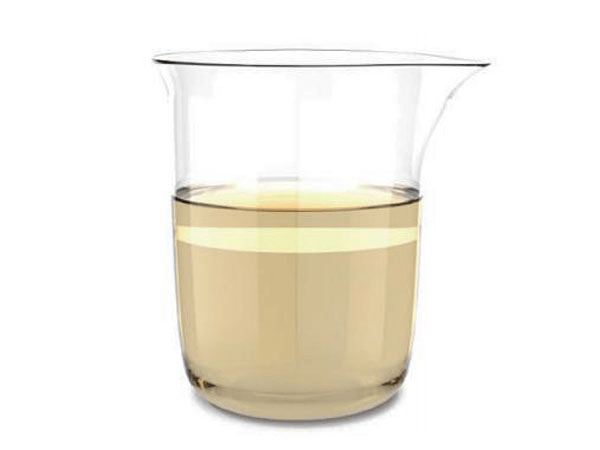
There are more types of slump-preserving mother solutions. 1. Synthesize by replacing the HPEG monomer with the TPEG monomer; 2. Synthesized by replacing part of acrylic acid with hydroxyethyl acrylate and using HPEG monomer; 3. Synthesized by TPEG monomer + hydroxyethyl acrylate. I prefer using slump-preserving mother solutions without an initial water-reducing effect. This can easily measure the ratio of water-reducing and slump-preserving mother solutions during the compounding process. The use of slump-preserving mother solutions is a cost-intensive process. The higher the concrete’s requirements for the slump-preserving effect, the greater the dosage of slump-preserving mother solutions. To ensure the slump-preserving performance of concrete, the amount of slump-preserving mother solutions should be reduced as much as possible.
2. Retarder
Sodium gluconate: It is cheap and can provide a specific water reduction rate; it is the most cost-effective and standard compounding retarder. The disadvantage is that there is a certain probability of reducing the workability of concrete.
White sugar: Slightly more expensive, has a significant retarding effect, and can improve the workability of concrete. The disadvantage is that the final setting time of concrete is increased at low temperatures.
Maltodextrin: The price is about the same as sodium gluconate, and it can improve the water retention of concrete. The disadvantage is that it may increase the slump loss of concrete.
Combining the three retardants in commercial concrete compounding is the most commonly used method. In addition, there are sodium citrate, sodium tripolyphosphate, and so on.
3. Defoaming agent and air-entraining agent
A certain amount of air-entraining agent in concrete is very beneficial to improve the fluidity, workability, and permeability of concrete, reduce the segregation and bleeding of the mixture, and improve the uniformity and durability of concrete. However, the amount of air-entraining agents should be reasonable. Excessive air content will increase the compressibility of the air and produce an unsaturated state, which will improve the pump pressure loss during pumping. In updating and iterating admixtures, the types of air-entraining and defoaming agents are even more complicated than the mother liquor. Defoaming agents reduce the air content of concrete and eliminate large bubbles that are detrimental to concrete. The dosage is generally less than three ten thousandths.
4. Water retaining agent
When the workability of concrete cannot be improved entirely by the above raw materials, water-retaining agents such as cellulose ether, polyacrylamide, and warm emulsion can enhance the workability of concrete. In commercial concrete, water retaining agents are rarely used. Too much water-retaining agent will affect the slump-preserving effect of concrete. A disguised increase in the compounding cost of admixtures is influencing the slump retention effect. The dosage of cellulose ether is less than three ten thousandths.
5. Antifreeze early strength agent
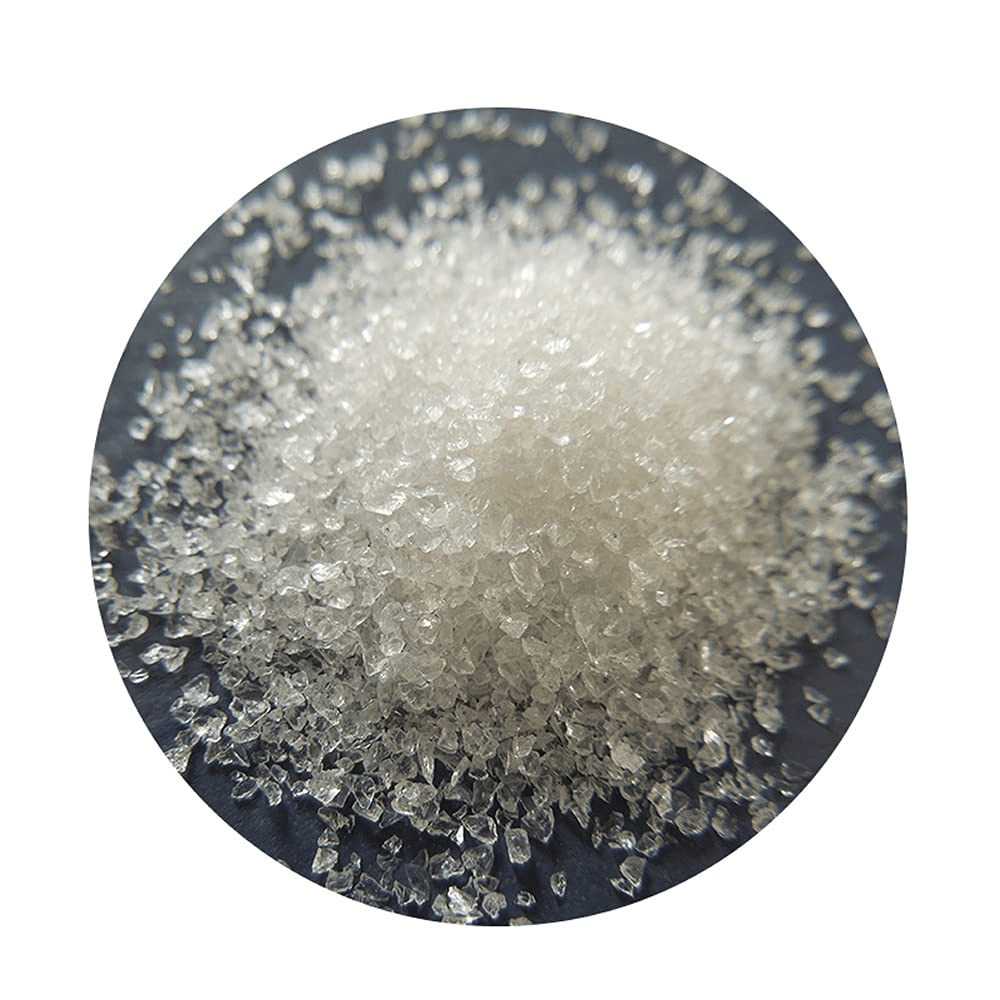
Various inorganic salts have antifreeze effects. Commonly used antifreeze are sodium nitrite, sodium nitrate, and calcium nitrate. Sodium chloride is the cheapest, and chloride ions have the side effect of corroding steel bars. To reduce the compounding cost of admixtures, some manufacturers use sodium nitrite and sodium chloride, which have rust-inhibiting effects. Antifreeze also has an early strengthening effect. In addition, triethanolamine can be utilized to improve the early strength of concrete.

 concrete admixture
Leave a comment